
Vietnam, known for its fertile landscapes and rich biodiversity, has long been one of the world’s leading producers of agricultural products. As the global demand for food and sustainable agricultural practices increases, Vietnam’s agricultural sector is becoming an increasingly attractive destination for foreign investment. The country’s strategic location, competitive production costs, and government support for modernization have created a dynamic environment for investors. In this post, we’ll explore the growth of Vietnam’s agricultural sector, key investment opportunities, and why now is the time for foreign investors to enter this thriving market.
1. Overview of Vietnam’s Agricultural Sector
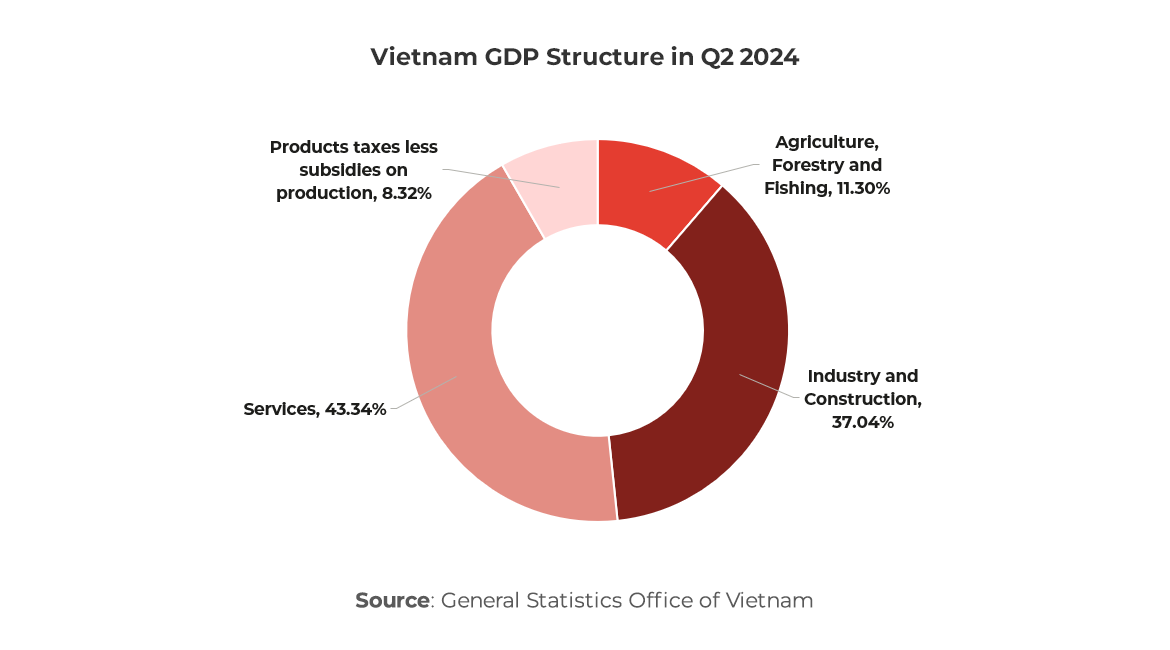
Vietnam’s agricultural sector is one of the country’s largest economic contributors, accounting for around 14% of GDP and employing more than 30% of the workforce. The sector includes the production of rice, coffee, seafood, vegetables, fruits, and a variety of other agricultural products. In recent years, Vietnam has become one of the largest exporters of agricultural products in the world.
-
Top Agricultural Exports: Vietnam is one of the world’s top exporters of coffee, rice, seafood, and pepper. It is also a leading producer of tropical fruits, including mangoes, bananas, and coconuts.
-
Growing Demand for Organic and Sustainable Agriculture: As global demand for organic and sustainably produced food increases, Vietnam is positioning itself as a key player in the organic farming sector.
For more information on Vietnam’s agricultural production, visit the Vietnam Ministry of Agriculture and Rural Development (MARD) here.
2. Key Growth Sectors in Vietnam’s Agriculture
Vietnam’s agricultural sector has evolved beyond traditional practices and is now focusing on high-growth areas such as organic farming, agri-tech innovations, and sustainable agriculture. These areas are attracting increasing foreign investment due to the growing demand for high-quality agricultural products both domestically and internationally.
Key areas of growth include:
-
Aquaculture: Vietnam is one of the world’s largest exporters of seafood, particularly shrimp and catfish. With over 3,000 km of coastline, the country has vast potential for expanding its aquaculture industry, which is valued at more than US$10 billion annually.
-
Organic Farming: The demand for organic food products has surged in Vietnam, driven by domestic consumers and export markets. The government is supporting the development of organic farming with incentives and subsidies, creating investment opportunities for both local and foreign investors.
-
Agri-Tech: Vietnam is embracing agriculture technology (agri-tech) to enhance productivity and reduce the environmental impact of farming. Key innovations include precision farming, automated irrigation systems, and drones for crop monitoring. These technologies are transforming traditional farming practices, making agriculture more efficient and sustainable.
For detailed information on agri-tech in Vietnam, check out the Vietnam Agricultural Science Institute here.
3. Vietnam’s Competitive Advantage in Agriculture
Vietnam’s agricultural sector is highly competitive due to several key advantages:
-
Favorable Climate: Vietnam’s tropical climate allows for year-round production of a wide range of agricultural products, including rice, fruits, and vegetables. This gives the country a competitive edge in meeting global food demands.
-
Labor Costs: Vietnam’s labor costs are lower than many other countries in the region, making agricultural production more affordable and increasing its appeal for foreign investors.
-
Access to International Markets: Vietnam is strategically located with access to key global markets, including China, the EU, and the U.S. The country is a member of several free trade agreements (FTAs), including the CPTPP and the EU-Vietnam FTA, which provide preferential trade terms for agricultural exports.
For more on Vietnam’s agricultural competitive advantages, visit the Vietnam Trade Promotion Agency here.
4. Investment Opportunities in Vietnam’s Agricultural Sector
Several investment opportunities are emerging as Vietnam’s agricultural sector continues to modernize and expand. Foreign investors can explore the following areas for investment:
-
Agricultural Processing and Export: As global demand for processed foods increases, Vietnam’s agricultural processing sector presents significant opportunities. This includes investing in food processing plants, packaging, and logistics services to facilitate export.
-
Agri-Tech Startups: With the rise of technology in agriculture, there are opportunities to invest in startups developing solutions for crop management, irrigation, and post-harvest processing. Companies focusing on smart agriculture and sustainable farming technologies are poised for growth.
-
Supply Chain and Distribution Networks: With the increasing volume of agricultural exports, there is a need for better supply chain infrastructure. Investors can target opportunities in logistics, warehousing, and cold chain storage to ensure the timely and safe transportation of agricultural products.
-
Organic Food Production and Retail: As more consumers demand organic products, there is growing potential in organic food production and retail distribution. Vietnam is increasingly seen as a key producer of organic products, offering lucrative opportunities for investors in both local and export markets.
For more details on investment opportunities in Vietnam’s agricultural sector, check the Vietnam Investment Review here.
5. Government Support and Policies for Agricultural Investment
The Vietnamese government recognizes the importance of agriculture to the country’s economy and has introduced several policies to encourage foreign investment in the sector. Some of the key government initiatives include:
-
Tax Incentives: The government provides tax exemptions and reductions for investors involved in high-tech farming, organic agriculture, and agri-tech innovations.
-
Land Use Policies: The government has streamlined land leasing procedures and offers long-term leases for agricultural projects. In some cases, investors can benefit from reduced land lease fees for environmentally friendly or innovative agricultural projects.
-
Sustainability Programs: Vietnam is focused on promoting sustainable agriculture through initiatives such as climate-smart farming and water-efficient practices. The government is offering support to projects that focus on reducing the environmental impact of farming.
For more details on government policies, visit the Vietnam Ministry of Agriculture and Rural Development (MARD) here.
6. The Challenges of Investing in Vietnam’s Agricultural Sector
While Vietnam’s agricultural sector presents numerous opportunities, investors should be aware of potential challenges:
-
Environmental Concerns: Agriculture in Vietnam faces challenges such as climate change, water scarcity, and soil degradation. Investors should consider sustainable practices to mitigate these risks.
-
Infrastructure Gaps: Although infrastructure has improved, some rural areas still lack modern infrastructure, including roads and storage facilities, which can affect supply chain efficiency.
-
Regulatory Complexity: Understanding local laws and regulations can be complex, especially regarding land use and environmental standards. Working with local partners or legal advisors is recommended to navigate these challenges effectively.
Conclusion
Vietnam’s agricultural sector offers a wealth of opportunities for foreign investors, driven by the country’s favorable climate, competitive labor costs, and government support for modernization. Key growth sectors such as organic farming, agri-tech, and aquaculture present high-potential investment opportunities that can deliver strong returns. As global demand for sustainable and high-quality food continues to rise, Vietnam’s agriculture market is poised for continued growth.
At DealFlow.sg, we specialize in connecting investors with promising agricultural investment opportunities in Vietnam. Our platform provides market insights, due diligence, and local expertise to help investors navigate the opportunities and challenges in Vietnam’s agricultural sector.
