
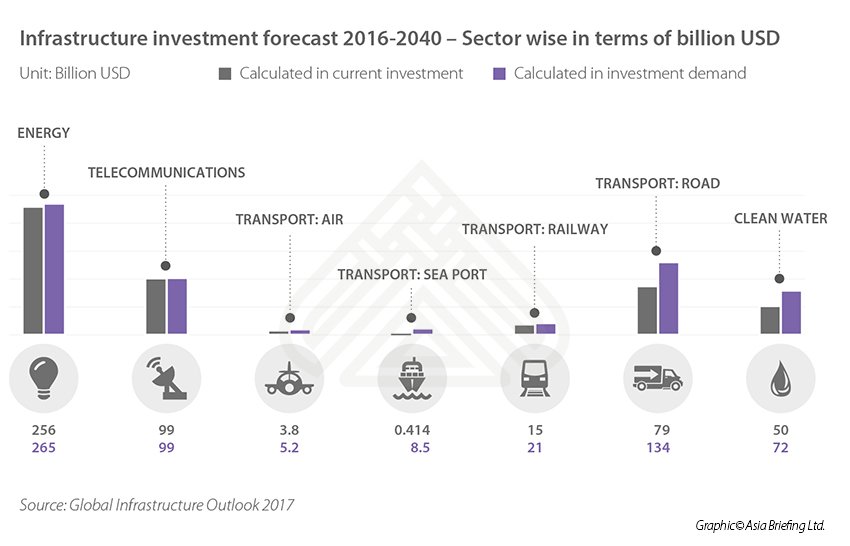
Vietnam’s infrastructure is rapidly evolving, with substantial investments being made in transport, utilities, and digital networks. As one of the fastest-growing economies in Southeast Asia, Vietnam’s infrastructure development is crucial to sustaining its economic growth, attracting foreign investors, and enhancing its global competitiveness. For foreign investors, understanding the infrastructure landscape is key to identifying high-potential sectors and making informed investment decisions. In this post, we’ll explore how Vietnam’s infrastructure development is driving investment opportunities in key sectors.
1. Vietnam’s Infrastructure Growth: A Snapshot
Over the last decade, Vietnam has made significant strides in improving its infrastructure, with ongoing investments in both urban and rural areas. According to the World Bank, Vietnam has committed to spending over US$30 billion on infrastructure projects in the next few years, including transport, energy, water supply, and sanitation. As the country continues to modernize, infrastructure development remains one of the top priorities of the Vietnamese government.
Key infrastructure development initiatives include:
-
Transport: Expanding road networks, modernizing rail systems, and improving airports and seaports.
-
Energy: Developing new power plants, upgrading the national grid, and expanding renewable energy projects.
-
Telecommunications: Building 5G networks and improving internet infrastructure to support the growing demand for digital services.
2. Transport Infrastructure: Connecting Vietnam to the World
One of the most significant areas of investment in Vietnam’s infrastructure is transport. With its strategic location in Southeast Asia, Vietnam is investing heavily in improving connectivity both within the country and globally. The government has identified transportation as a priority sector to enhance trade, mobility, and investment.
Key transport projects include:
-
Highways and Expressways: The Vietnamese government is investing in expanding and modernizing its road infrastructure. The North-South Expressway project, a 2,000-km network of highways connecting the northern and southern regions, is a key initiative to improve domestic transport and connectivity to key ports and cities. The government plans to invest over US$15 billion in this project.
-
Rail Infrastructure: The high-speed rail system project, connecting Hanoi to Ho Chi Minh City, is another major investment that will improve intercity connectivity and reduce travel time between key economic hubs.
-
Airports and Seaports: Vietnam is expanding its airports and seaports to handle the growing volume of goods and passengers. The government is investing in upgrading Tan Son Nhat International Airport in Ho Chi Minh City and building a new Long Thanh International Airport, with an estimated investment of US$16 billion. Similarly, Hai Phong Port is undergoing expansion to accommodate increased trade volume.
These transport infrastructure improvements are making it easier for businesses to operate in Vietnam, while also opening up new opportunities for investment in logistics, real estate, and retail.
For more information on Vietnam’s transport infrastructure projects, visit the Vietnam Ministry of Transport here.
3. Energy Infrastructure: Powering Vietnam’s Growth
As Vietnam’s economy expands, so does its energy demand. The country is investing heavily in modernizing its energy infrastructure to support growth across industries, particularly manufacturing and technology. Energy infrastructure is essential not only for sustaining domestic development but also for attracting international investors to sectors such as manufacturing, renewable energy, and technology.
Key energy infrastructure developments include:
-
Electricity Grid Upgrades: Vietnam is focusing on modernizing its national grid to support increased demand for electricity. The government is also investing in smart grids and renewable energy integration.
-
Power Plants: The government is constructing new coal-fired, hydropower, and solar energy plants to diversify its energy sources and meet growing demand.
-
Renewable Energy: Vietnam is committed to transitioning to green energy, with a target of generating 10% of its total energy from renewable sources by 2030. This has created significant investment opportunities in the solar and wind energy sectors.
For more updates on Vietnam’s energy infrastructure projects, check the Vietnam Ministry of Industry and Trade here.
4. Telecommunications and Technology Infrastructure: Digital Transformation
As Vietnam embraces the digital economy, the government is investing heavily in telecommunications infrastructure to ensure that the country remains competitive in the global digital landscape. With the rapid growth of e-commerce, fintech, and digital services, modern telecommunications infrastructure is essential for supporting businesses and consumers alike.
Key investments in telecommunications include:
-
5G Networks: Vietnam has begun rolling out 5G technology across major cities, with plans to expand nationwide. This upgrade will enable faster internet speeds, more reliable connections, and new opportunities in industries such as telemedicine, autonomous vehicles, and smart cities.
-
Broadband and Internet: The government is working to expand broadband coverage and improve internet quality in rural areas, bridging the digital divide and allowing businesses in less developed regions to access the same resources as those in urban centers.
-
Smart Cities: The development of smart cities in Vietnam is driving investments in internet infrastructure, sensors, IoT devices, and data management systems.
Investors in tech, e-commerce, fintech, and telecommunications sectors will benefit from these upgrades, which support the growth of digital business models across the country.
For more on Vietnam’s digital transformation and telecommunications infrastructure, visit the Vietnam Ministry of Information and Communications here.
5. Real Estate and Urban Development: Building for the Future
Vietnam’s booming urban population is driving the demand for residential, commercial, and industrial real estate. Infrastructure development, particularly in transportation and utilities, is creating numerous investment opportunities in urban development. Foreign investors are particularly interested in mixed-use developments, residential projects, and commercial spaces.
Key real estate projects supported by infrastructure development include:
-
Urban Expansion Projects: Major cities like Ho Chi Minh City, Hanoi, and Da Nang are seeing large-scale residential and commercial development projects, fueled by infrastructure investments.
-
Commercial Real Estate: The demand for office spaces, retail centers, and industrial parks is increasing as new infrastructure projects improve connectivity and accessibility. Industrial zones, particularly those near ports and highways, are attracting significant foreign investment.
For more information on real estate investment opportunities in Vietnam, check the Vietnam Real Estate Association here.
6. The Role of Private and Public Investments in Infrastructure
Both private and public sectors play a crucial role in Vietnam’s infrastructure development. The Vietnamese government is actively collaborating with international organizations and private investors to fund large-scale infrastructure projects. Public-private partnerships (PPPs) are a significant model for financing these projects, with many private investors, including international firms, actively participating in key infrastructure developments.
In 2021, the government allocated US$10 billion for infrastructure projects, and foreign investment in infrastructure is expected to grow significantly in the coming years.
For details on private investment in infrastructure in Vietnam, check the Vietnam Investment Review here.
Conclusion
Vietnam’s infrastructure development is a key driver of economic growth and investment opportunities. With major projects in transport, energy, telecommunications, and urban development, the country is laying the foundation for long-term sustainable growth. Foreign investors should carefully monitor these infrastructure developments, as they create significant opportunities in real estate, manufacturing, renewable energy, and digital services.
At DealFlow.sg, we specialize in helping foreign investors navigate Vietnam’s infrastructure investment landscape. Our platform offers insights, advisory services, and connections to ensure that your investments are positioned for success in Vietnam’s rapidly evolving infrastructure market.
