
Vietnam’s real estate market is one of the most attractive investment sectors in Southeast Asia. With rapid urbanization, a growing middle class, and increasing demand for residential and commercial properties, Vietnam offers vast opportunities for foreign investors looking to tap into its booming real estate market. In this post, we’ll explore the current landscape of Vietnam’s real estate market, key investment opportunities, and the regulatory environment for foreign investors.
1. Overview of Vietnam’s Real Estate Market
Vietnam’s real estate market has experienced tremendous growth in recent years. In 2021, the real estate sector accounted for approximately 10% of Vietnam’s GDP, and it continues to attract significant foreign direct investment (FDI). According to the Vietnam Real Estate Association (VNREA), foreign investors’ share of total FDI in real estate is estimated at 22%, with substantial investments in residential, commercial, and industrial properties.
Key factors driving growth in Vietnam’s real estate market include:
-
Rapid Urbanization: The country’s urban population is expected to exceed 40% by 2025, creating increasing demand for housing, office spaces, and retail facilities.
-
Growing Middle Class: As Vietnam’s middle class expands, demand for modern, affordable housing and consumer-focused commercial developments is rising.
-
Foreign Investment: Foreign investors have become increasingly active in Vietnam’s real estate sector, particularly in high-end residential, office, and industrial projects.
For more information on Vietnam’s real estate market, check the Vietnam Real Estate Association (VNREA) here.
2. Residential Real Estate: Rising Demand and Growing Opportunities
Vietnam’s residential real estate market is seeing rapid growth due to the country’s expanding urban population and increasing disposable income. Major cities like Ho Chi Minh City and Hanoi are witnessing significant demand for both affordable and luxury housing. As of 2021, Ho Chi Minh City alone had over 5 million residents, with an additional 200,000 people migrating to the city annually, further driving demand for housing.
-
Affordable Housing: With a growing middle class, the demand for affordable housing is at an all-time high. The Vietnamese government has launched several initiatives to meet this demand, including policies aimed at increasing the availability of low-cost housing. Foreign investors can consider investing in this segment by partnering with local developers or establishing joint ventures.
-
Luxury and High-End Housing: As the urban population increases and disposable income rises, there is growing demand for high-end residential properties. The luxury market is expanding, particularly in Ho Chi Minh City and Hanoi, where the development of high-end condominiums and villas is flourishing.
For more insights into Vietnam’s residential real estate sector, refer to the Vietnam Ministry of Construction here.
3. Commercial Real Estate: Growing Demand for Offices and Retail Spaces
Commercial real estate is another sector that offers significant opportunities for foreign investors in Vietnam. As the economy grows, the demand for office spaces and retail outlets is increasing. The demand for modern office spaces in central business districts (CBDs) is particularly high due to the influx of multinational companies setting up offices in the country.
-
Office Space: Ho Chi Minh City and Hanoi continue to see robust demand for high-quality office spaces, particularly in the central business districts (CBDs). The demand for office buildings is being driven by the growing presence of international companies in Vietnam’s financial, tech, and industrial sectors.
-
Retail Spaces: The retail market is expanding, with demand for shopping malls, high-street retail, and entertainment centers on the rise. International retail brands are increasingly entering the Vietnamese market, contributing to the growing demand for retail spaces.
According to the Vietnam National Real Estate Association, commercial real estate has accounted for over 15% of total foreign real estate investment in the last two years.
For up-to-date commercial real estate developments, check out the Vietnam Investment Review here.
4. Industrial Real Estate: Key Focus for Foreign Investment
Vietnam’s manufacturing sector is thriving, and this is driving the demand for industrial real estate. With its advantageous location and strong trade relations with countries like China, the U.S., and Japan, Vietnam has become a hub for global manufacturing operations. The Vietnam government’s pro-business policies and trade agreements, such as the Comprehensive and Progressive Agreement for Trans-Pacific Partnership (CPTPP), provide a conducive environment for foreign companies to establish production facilities in Vietnam.
-
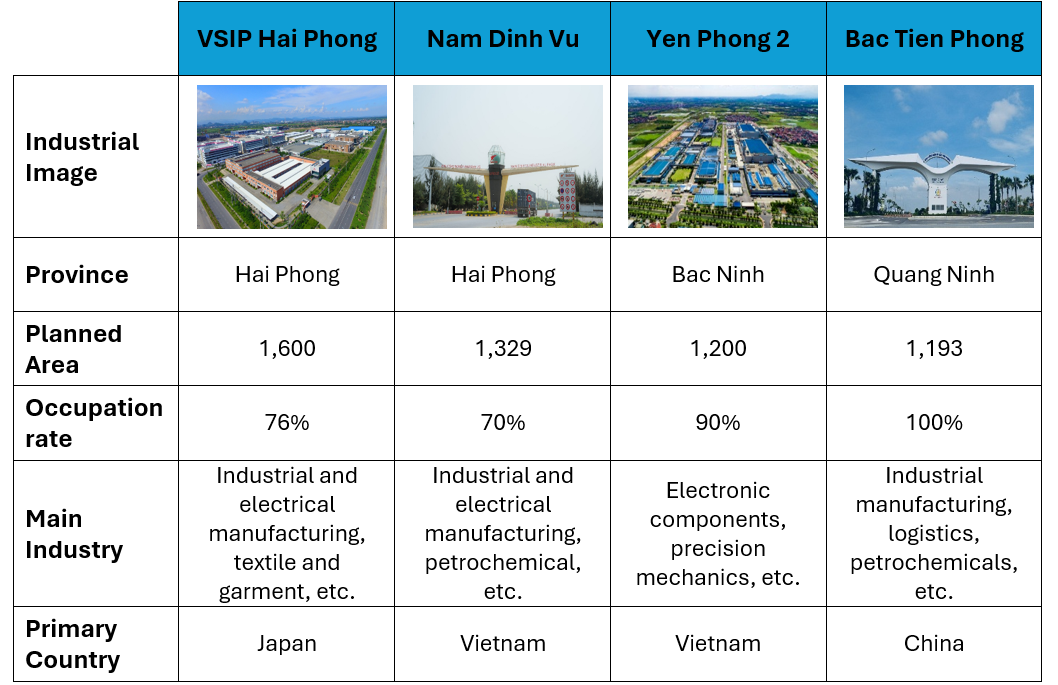
Industrial Parks and Warehouses: Foreign investors are increasingly investing in industrial parks and warehouses in Vietnam. Cities like Binh Duong, Dong Nai, and Hai Phong are prime locations for industrial development, offering well-established infrastructure, proximity to ports, and favorable investment policies.
-
Manufacturing Facilities: With the rise of Vietnam’s manufacturing sector, particularly in electronics, textiles, and consumer goods, there is growing demand for manufacturing facilities and logistics hubs.
For more information on the industrial real estate market, refer to the Vietnam Industrial Real Estate Development Association here.
5. Legal Considerations for Foreign Investors in Real Estate
While Vietnam offers significant opportunities in real estate, there are specific regulations that foreign investors must be aware of when investing in the sector.
-
Foreign Ownership Limits: Foreign investors can purchase real estate in Vietnam; however, there are limitations. Foreign ownership is typically capped at 10% of the total number of apartments in a building and 10% of the total land area in a landed property development. In certain cases, foreign ownership in a building may be restricted to 30%.
-
Land Use Rights: Foreign investors cannot own land in Vietnam. Instead, they can lease land from the government or local entities for a maximum period of 50 years, with the option to renew. It’s important for investors to fully understand the terms of land leases and the rights associated with these agreements.
For detailed information on real estate regulations for foreign investors, visit the Vietnam Ministry of Natural Resources and Environment here.
6. Financing Real Estate Investments in Vietnam
Financing options for real estate investment in Vietnam are expanding, with a growing number of local and international banks offering financing solutions for foreign investors. The Vietnamese government has also introduced policies to encourage foreign investment in real estate, such as tax incentives and low-interest loans for specific projects.
-
Bank Financing: Foreign investors can access financing through local banks, although the terms may vary depending on the nature of the investment and the type of property.
-
Private Equity and Joint Ventures: Many foreign investors prefer joint ventures or private equity partnerships with local developers to mitigate risk and share the investment load.
For more on financing options and policies, check out the Vietnam Chamber of Commerce and Industry (VCCI) here.
Conclusion
Vietnam’s real estate market offers diverse investment opportunities across residential, commercial, industrial, and mixed-use sectors. With the country’s rapid urbanization, growing middle class, and increasing foreign direct investment, the real estate sector is set for continued growth. Foreign investors can capitalize on these opportunities by understanding local regulations, identifying key market trends, and partnering with experienced local developers.
At DealFlow.sg, we specialize in connecting foreign investors with the best real estate opportunities in Vietnam. Our platform offers valuable market insights, legal guidance, and local expertise, ensuring that your real estate investments in Vietnam are positioned for long-term success.
