
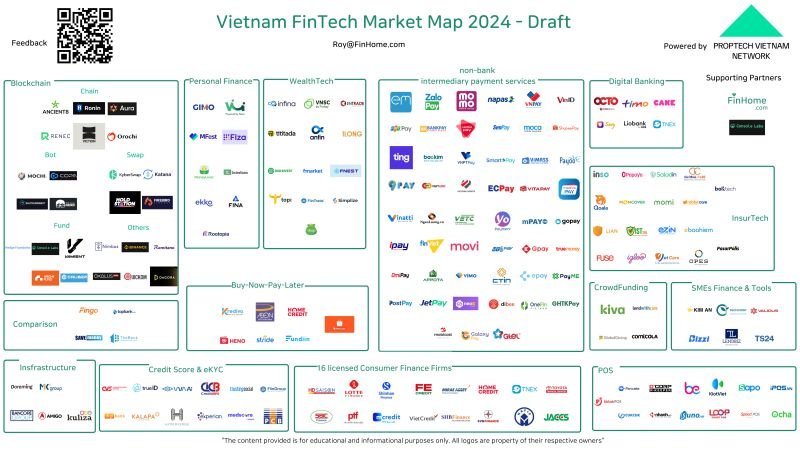
Vietnam’s fintech sector is rapidly emerging as one of Southeast Asia’s most dynamic and promising markets. With a growing digital economy, increasing smartphone penetration, and a young, tech-savvy population, the country is becoming a hub for financial technology innovations. The Vietnamese government is also committed to fostering a supportive environment for fintech startups, making it an attractive destination for foreign investors. In this post, we will explore the key trends shaping the future of Vietnam’s fintech sector, the investment opportunities available, and why now is the perfect time to invest in this rapidly growing market.
1. Overview of Vietnam’s Fintech Market
Vietnam’s fintech sector has witnessed rapid growth in recent years, driven by the country’s economic transformation and the increasing adoption of digital financial services. As of 2021, the fintech market in Vietnam was valued at around US$9 billion, and it is expected to continue growing at a compound annual growth rate (CAGR) of 25%. The country’s fintech ecosystem is supported by a combination of factors, including the rise of e-commerce, mobile payments, and a supportive regulatory framework that encourages innovation.
-
Key Drivers: Key factors driving the growth of Vietnam’s fintech sector include:
-
A large, young, and tech-savvy population, with over 70 million internet users.
-
Increased smartphone penetration, with nearly 90% of the population using mobile devices for online transactions.
-
Rising middle-class income levels, leading to greater demand for digital financial services.
-
-
Strong Demand for Digital Financial Services: The rise of e-commerce, mobile wallets, and digital lending is driving the demand for innovative financial services in Vietnam. This growing demand presents significant opportunities for foreign investors to enter the market.
For more insights on Vietnam’s fintech development, visit the Vietnam Ministry of Information and Communications here.
2. Key Trends in Vietnam’s Fintech Sector
Several key trends are shaping the future of Vietnam’s fintech market, with innovations in mobile payments, lending, and blockchain driving the sector’s growth. Below are some of the top trends that foreign investors should be aware of:
-
Mobile Payments and E-Wallets: Mobile payments and digital wallets are among the fastest-growing segments in Vietnam’s fintech market. With more people adopting smartphones, platforms like MoMo, ZaloPay, and ViettelPay have gained massive traction. These platforms allow users to make payments, transfer money, and access financial services through mobile applications. The shift toward cashless payments presents huge opportunities for fintech companies to expand their user base.
-
Digital Lending: Digital lending platforms, also known as peer-to-peer (P2P) lending, are disrupting traditional banking services in Vietnam. Companies like Tima, VayMuon, and LendUp are allowing individuals and small businesses to access loans quickly and efficiently through digital platforms. As access to credit increases, the digital lending market is expected to grow substantially.
-
Blockchain and Cryptocurrencies: Vietnam has witnessed a surge in interest in blockchain and cryptocurrency investments. While regulations surrounding cryptocurrencies are still evolving, there is growing demand for blockchain-based solutions in areas such as supply chain management, digital identity verification, and payment processing.
-
Insurtech: The insurtech (insurance technology) sector is growing in Vietnam as consumers demand more accessible and transparent insurance products. Digital insurance platforms, such as Vimo and Bima, are gaining popularity, offering affordable and easy-to-understand insurance policies. This sector presents investment opportunities for companies looking to bring innovative solutions to Vietnam’s insurance market.
For more details on fintech trends in Vietnam, visit Fintech Vietnam here.
3. Investment Opportunities in Vietnam’s Fintech Sector
The fintech sector in Vietnam presents numerous investment opportunities across various sub-sectors. Below are some of the key areas for foreign investors to explore:
-
E-Wallets and Digital Payment Platforms: As Vietnam moves toward a cashless society, investing in digital payment platforms and e-wallet providers offers significant growth potential. Companies that offer seamless payment solutions for both consumers and businesses are well-positioned to benefit from the rising adoption of digital payments.
-
Blockchain and Cryptocurrency: Vietnam is poised to be a regional leader in blockchain innovation, particularly in industries such as supply chain and financial services. Foreign investors can explore opportunities in cryptocurrency exchanges, blockchain-based applications, and tokenized assets as the technology continues to disrupt traditional financial systems.
-
Digital Lending and Microfinance: Digital lending is one of the most exciting areas of fintech growth in Vietnam. With many individuals and small businesses still underserved by traditional banks, investing in P2P lending platforms and microfinance services can offer high returns. Platforms that focus on providing loans to unbanked populations or small enterprises have strong growth potential.
-
Insurtech and Digital Insurance: The insurtech sector in Vietnam is expected to continue growing as consumers demand more flexible and accessible insurance products. Investors can explore opportunities in digital insurance platforms that provide easy-to-use policies with minimal paperwork. The Vietnamese market is particularly ripe for micro-insurance and on-demand insurance products.
-
Regulatory Technology (RegTech): As financial regulations become more complex, there is growing demand for technology solutions that can help companies comply with regulations. RegTech firms that focus on anti-money laundering (AML), know your customer (KYC), and data privacy are becoming increasingly important in Vietnam’s fintech ecosystem.
For more details on investment opportunities, check the Vietnam Investment Review here.
4. Government Support and Regulatory Framework
The Vietnamese government has recognized the importance of fintech in driving economic growth and has put in place policies to support the sector. The State Bank of Vietnam (SBV) has introduced guidelines to regulate digital payments and mobile wallets, ensuring a secure environment for both businesses and consumers. Some key aspects of the government’s support include:
-
Financial Inclusion Initiatives: The government is committed to increasing access to financial services for the unbanked and underbanked populations. It has introduced policies that encourage the development of fintech solutions that target underserved communities.
-
Licensing and Regulation: Vietnam has introduced a sandbox regulatory framework for fintech companies, allowing startups to test new products and services in a controlled environment. This regulatory sandbox provides a safe space for innovation while ensuring consumer protection.
-
Investment Incentives: The government offers various tax incentives and funding programs to encourage foreign investment in fintech. These include tax exemptions and grants for fintech companies focused on financial inclusion, innovation, and technology development.
For more on the government’s fintech policies, check the State Bank of Vietnam here.
5. Risks and Considerations for Foreign Investors
While Vietnam’s fintech sector presents substantial opportunities, there are several risks and considerations that foreign investors should be aware of:
-
Regulatory Uncertainty: While the government is supportive of fintech, regulatory uncertainty remains a challenge, particularly in areas such as cryptocurrency and blockchain. Investors should closely monitor regulatory developments to ensure compliance.
-
Competition: The fintech sector in Vietnam is highly competitive, with both local and international players vying for market share. To succeed, foreign investors should conduct thorough market research and consider forming partnerships with local companies.
-
Cybersecurity Risks: As digital financial services expand, so do the risks associated with cybercrime. Investors should ensure that fintech companies have strong security measures in place to protect sensitive financial data.
Conclusion
Vietnam’s fintech sector is one of the most exciting and rapidly growing industries in Southeast Asia. With a young, tech-savvy population, rising digital adoption, and government support for innovation, Vietnam presents numerous opportunities for foreign investors in areas like mobile payments, digital lending, insurtech, and blockchain. Whether you are interested in e-wallet platforms, lending solutions, or digital insurance, the fintech sector in Vietnam offers a dynamic and promising market for investment.
At DealFlow.sg, we specialize in connecting foreign investors with the best fintech opportunities in Vietnam. Our platform provides market insights, regulatory guidance, and local expertise to ensure your investments in Vietnam’s fintech market are set up for long-term success.
