
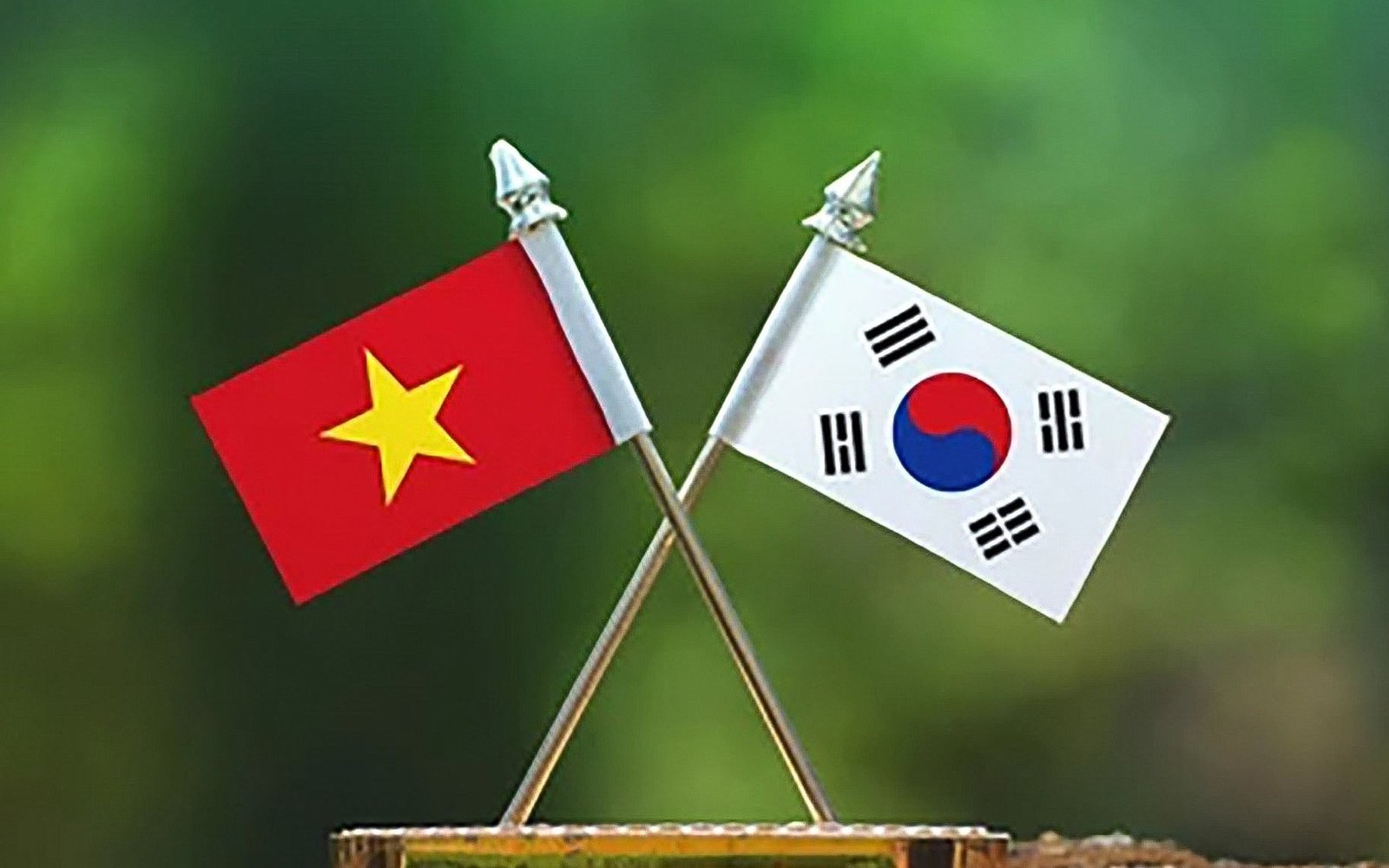
The Vietnam-Korea Free Trade Agreement (VKFTA), which came into effect in 2015, has been a catalyst for growth in bilateral trade between Vietnam and South Korea. One of the most significant outcomes of this agreement has been the boost to foreign investment, which has become a key factor driving both countries’ economic growth. The VKFTA has created an environment conducive to foreign investments, not only by reducing tariffs and trade barriers but also by providing clear rules for market access, promoting investor confidence. In this post, we’ll explore how the VKFTA has facilitated foreign investment, particularly in sectors such as manufacturing, technology, and services.
Key Aspects of the VKFTA Impacting Foreign Investment:
-
Tariff Reductions and Market Access: One of the major benefits of the VKFTA is the significant reduction in tariffs and the subsequent increased access to each country’s market. South Korean investors have benefited from reduced tariffs on goods, allowing for cost-effective entry into the Vietnamese market, while Vietnamese investors have experienced the same access to the South Korean market. This trade liberalization makes it easier for foreign investors to set up businesses, expand operations, and trade in both countries.
Example:
-
Samsung Electronics, a South Korean multinational, has heavily invested in Vietnam, where it manufactures smartphones and consumer electronics. Samsung has become one of the largest foreign investors in Vietnam, with investments exceeding $17 billion. This is due, in part, to the favorable trade environment created by the VKFTA.
-
-
Service Sector Liberalization: The VKFTA also facilitates greater access to the service sector. This is particularly important for investors in industries such as finance, telecommunications, and information technology (IT). With provisions that liberalize various service sectors, South Korean companies have expanded their reach in Vietnam, and vice versa. In particular, the financial services industry has seen an influx of South Korean banks, which now have greater ease of access to Vietnam’s growing financial market.
Example:
-
South Korean Shinhan Bank has expanded its presence in Vietnam, establishing multiple branches and offering a range of banking services. The VKFTA’s provisions on financial services have enabled Shinhan to establish a more significant foothold in the country’s banking sector.
-
-
Investment in Manufacturing and Technology: The VKFTA has significantly impacted foreign direct investment (FDI), particularly in manufacturing and technology sectors. The agreement provides preferential terms for South Korean manufacturers to set up production facilities in Vietnam, where the labor force is cost-effective and skilled. Vietnam’s established supply chain infrastructure, including ports and transportation links, further supports these investments.
Example:
-
Hyundai Motor Company, another major South Korean company, has been able to expand its manufacturing operations in Vietnam due to the favorable investment environment created by the VKFTA. The country is now an important hub for Hyundai’s production of automobiles and auto parts destined for the Southeast Asian market.
Statistic:
-
South Korea is the third-largest foreign investor in Vietnam, with FDI totaling $72 billion by the end of 2020. South Korean companies like LG Electronics and SK Group have consistently made large investments in Vietnam’s manufacturing sector, benefiting from tariff reductions and preferential treatment under the VKFTA.
-
Foreign Investment Trends:
-
Manufacturing and Electronics Sector Dominance: The manufacturing sector, particularly the electronics and automotive industries, continues to attract substantial foreign investment. The VKFTA has made it easier for South Korean firms to establish and expand manufacturing plants in Vietnam, taking advantage of the lower production costs and access to regional markets. South Korea has been the dominant source of FDI in electronics, with major players like Samsung, LG, and Hyundai continuing to scale up operations in Vietnam.
Example:
-
LG Electronics has invested heavily in production facilities in Vietnam, particularly in Hai Phong, where the company produces television panels and mobile phones. This investment would not have been as feasible without the favorable terms provided by the VKFTA.
-
-
Technological Advancements and Digital Economy Investments: The digital economy, driven by advancements in IT services, e-commerce, and FinTech, has been another sector benefiting from the VKFTA. South Korean technology companies have invested in Vietnam’s growing digital landscape, enabling local companies to access state-of-the-art technology, improving the infrastructure for online retail, payments, and cloud computing.
Example:
-
South Korea’s Samsung SDS and SK Telecom are investing in cloud technology and 5G infrastructure in Vietnam, supporting the nation’s digital transformation and paving the way for new business opportunities.
-
The Impact of VKFTA on Vietnam’s Foreign Investment Climate:
Since the VKFTA’s implementation, Vietnam has experienced a steady rise in foreign direct investment. The Vietnamese government has continuously improved the investment climate, and the agreement has played a significant role in positioning the country as one of the top destinations for foreign investors in Southeast Asia.
-
Vietnam’s FDI Growth: The VKFTA has been a key contributor to Vietnam’s growing FDI inflow, particularly from South Korea, one of Vietnam’s largest trading partners. In 2020, the total FDI inflow into Vietnam from South Korea was $8.5 billion, accounting for a significant portion of the country’s overall FDI.
Statistic:
-
In 2020, South Korea invested $1.8 billion into Vietnam’s electronics industry, making it the largest FDI contributor in the sector.
-
Conclusion:
The Vietnam-Korea Free Trade Agreement (VKFTA) has significantly boosted foreign investment in Vietnam, particularly from South Korea. By reducing tariffs, liberalizing services, and promoting trade and investment, the VKFTA has created an environment conducive to business growth, especially in sectors such as electronics, automotive, manufacturing, and technology. This has positioned Vietnam as a key destination for global investors looking to tap into Southeast Asia’s emerging markets.
At DealFlow.sg, we specialize in connecting investors with high-potential opportunities in Vietnam. Whether you’re interested in manufacturing, technology, or services, we offer the insights and expertise needed to navigate Vietnam’s investment landscape and capitalize on the benefits offered by the VKFTA.
