
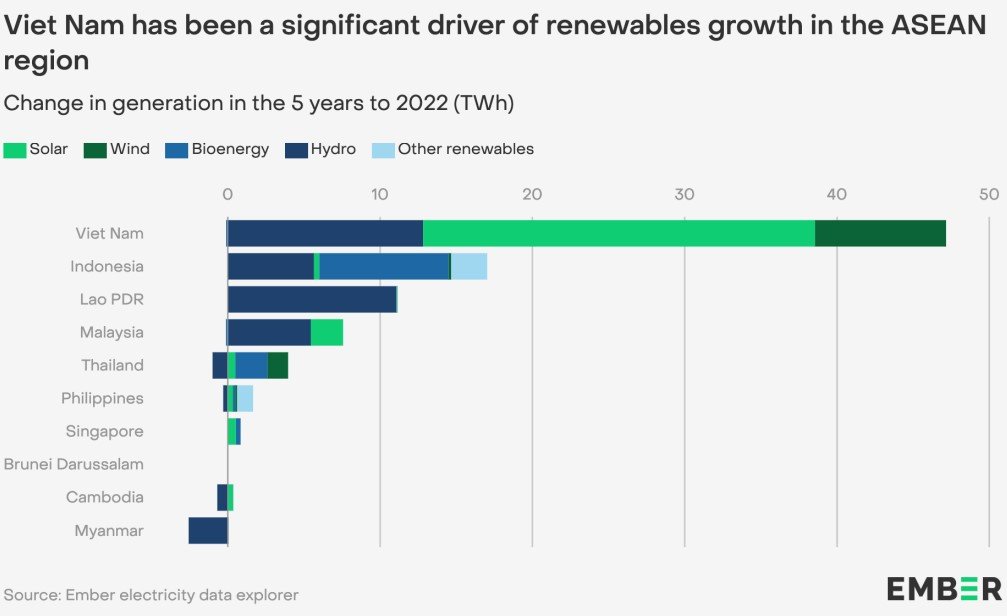
Vietnam’s renewable energy sector is experiencing exponential growth as the country aims to meet its energy demands sustainably and reduce its carbon footprint. With a growing focus on clean energy, the Vietnamese government is setting ambitious targets to diversify its energy mix and attract foreign investment in renewable energy projects. Vietnam is well-positioned to become a regional leader in solar, wind, and other renewable energy sources, offering significant opportunities for foreign investors. In this post, we’ll explore the growth of Vietnam’s renewable energy sector, the key drivers behind this transformation, and the investment opportunities available in this rapidly growing market.
1. Overview of Vietnam’s Renewable Energy Growth
Vietnam is one of Southeast Asia’s fastest-growing economies, and its energy demand is expected to rise significantly in the coming years. To address this growing demand, the Vietnamese government is making substantial efforts to increase the share of renewable energy in the country’s energy mix. As part of the Vietnam Power Development Plan (PDP8), Vietnam aims to generate 10% of its energy from renewable sources by 2030 and 20% by 2045.
-
Solar Energy: Vietnam has become one of the leading countries in Southeast Asia for solar energy capacity. By 2020, the country had installed over 16,000 MW of solar power, making it one of the fastest-growing solar markets globally.
-
Wind Energy: Vietnam also has significant potential for wind energy, particularly along its 3,000 km coastline. The government is working to develop both onshore and offshore wind projects, with an aim to generate 12,000 MW of wind energy by 2030.
-
Hydropower and Biomass: In addition to solar and wind, Vietnam is investing in hydropower and biomass energy, utilizing its natural resources to diversify its energy portfolio.
For more on Vietnam’s renewable energy goals, check the Vietnam Ministry of Industry and Trade here.
2. Key Drivers of Growth in Vietnam’s Renewable Energy Sector
Several key factors are driving the rapid growth of renewable energy in Vietnam, making it an attractive destination for foreign investment:
-
Government Support and Policies: The Vietnamese government has introduced several favorable policies to encourage investment in renewable energy, including feed-in tariffs (FITs), tax exemptions, and financial incentives for renewable energy projects. These policies are designed to make it easier for foreign investors to enter the market and help the country achieve its clean energy targets.
-
Rising Energy Demand: Vietnam’s rapidly growing population and industrial sector are driving an increase in energy demand. The government is committed to ensuring that this demand is met sustainably by reducing the country’s reliance on coal and increasing the share of renewable energy.
-
Access to Financing: With the global push for cleaner energy solutions, Vietnam has attracted financing from international institutions such as the World Bank, Asian Development Bank (ADB), and private equity firms focused on renewable energy projects. This funding helps support the development of renewable energy infrastructure and encourages private sector participation.
For more on government incentives for renewable energy projects, check the Vietnam Renewable Energy Association here.
3. Key Investment Opportunities in Vietnam’s Renewable Energy Sector
As Vietnam continues to grow its renewable energy capacity, there are several key investment opportunities across various segments of the sector:
-
Solar Power: Vietnam’s solar energy sector presents tremendous investment opportunities. The government’s feed-in tariff (FIT) for solar energy projects has attracted both domestic and international investors, with more projects expected in the coming years. Foreign investors can explore opportunities in utility-scale solar farms, rooftop solar installations, and solar panel manufacturing.
-
Wind Energy: With its extensive coastline and favorable wind conditions, Vietnam is a prime location for wind energy investments. The Vietnamese government has set ambitious goals for offshore wind energy, and several offshore wind farms are already under development. There are also opportunities in onshore wind projects, particularly in regions like Binh Thuan, Ninh Thuan, and Quang Tri.
-
Hydropower: Vietnam’s hydropower potential is significant, and the government continues to invest in new hydropower projects. However, with many of the easier-to-develop sites already utilized, there may be more opportunities for investors in small-scale hydropower projects or projects that combine hydropower with other renewable energy sources.
-
Biomass and Waste-to-Energy: With the country’s strong agricultural sector, biomass energy has great potential. Investors can explore opportunities in biomass power plants, waste-to-energy projects, and biogas facilities that convert organic waste into energy.
For more information on renewable energy investment opportunities in Vietnam, check the Vietnam Renewable Energy Investment Forum here.
4. Government Policies and Support for Renewable Energy Investments
The Vietnamese government is committed to making the country a leader in renewable energy, and it has put in place several policies and frameworks to support foreign investment in this sector:
-
Feed-in Tariffs (FITs): Vietnam offers feed-in tariffs for solar, wind, and biomass energy projects, providing guaranteed payments for energy produced and sold to the national grid. These tariffs help ensure stable returns for investors.
-
Tax Exemptions and Incentives: The government provides tax exemptions for renewable energy projects, including corporate income tax holidays for the first few years of operation and reduced tax rates for long-term investments in clean energy projects.
-
Green Bonds and Financing: Vietnam is developing a green bond market to fund renewable energy projects. The government is also working with international development banks to provide low-interest loans and grants for clean energy projects, which foreign investors can access.
For more details on government policies for renewable energy investments, check the Vietnam Ministry of Finance here.
5. Challenges and Risks for Foreign Investors
While Vietnam’s renewable energy sector presents lucrative opportunities, there are several risks and challenges that foreign investors should consider:
-
Regulatory Complexity: While the government is supportive of renewable energy, navigating the regulatory landscape can be challenging. Investors need to be aware of changing regulations, especially with regard to environmental standards and project approvals.
-
Grid Integration: Integrating renewable energy into the national grid can be a challenge, especially in remote areas where infrastructure is still being developed. The government is working on improving grid stability and capacity to accommodate renewable energy, but investors should assess the grid’s readiness in potential project sites.
-
Land Use and Environmental Concerns: Securing land for renewable energy projects, especially for large-scale solar and wind farms, can be a challenge due to land use regulations and environmental considerations. Investors must work with local authorities to ensure compliance with land acquisition laws and environmental impact assessments.
6. The Future of Renewable Energy in Vietnam
Vietnam’s renewable energy sector is set for continued expansion as the government intensifies efforts to meet its energy needs sustainably. With ongoing investments in infrastructure, attractive policies for foreign investors, and an increasing focus on clean energy, Vietnam is well on its way to achieving its renewable energy goals.
-
Long-Term Growth: The demand for renewable energy is expected to rise significantly in the coming decades. As Vietnam works to meet both domestic energy needs and international climate targets, renewable energy will play an increasingly critical role in the country’s energy mix.
-
Regional Leadership: Vietnam is positioning itself as a leader in renewable energy in Southeast Asia, and as regional energy markets evolve, the country will likely become an energy exporter, leveraging its abundant renewable resources to supply neighboring countries.
For more on the future of renewable energy in Vietnam, check the Vietnam Energy Development Forum here.
Conclusion
Vietnam’s renewable energy sector presents a wealth of opportunities for foreign investors. With a supportive government, a rapidly growing energy demand, and a commitment to sustainability, Vietnam is well-positioned to become a leader in clean energy. Whether you are interested in solar, wind, hydropower, or biomass, the country offers numerous investment opportunities in this rapidly expanding sector.
At DealFlow.sg, we specialize in connecting foreign investors with the best opportunities in Vietnam’s renewable energy market. Our platform provides valuable market insights, regulatory guidance, and local expertise to ensure your investments in Vietnam’s clean energy sector are positioned for long-term success.
