
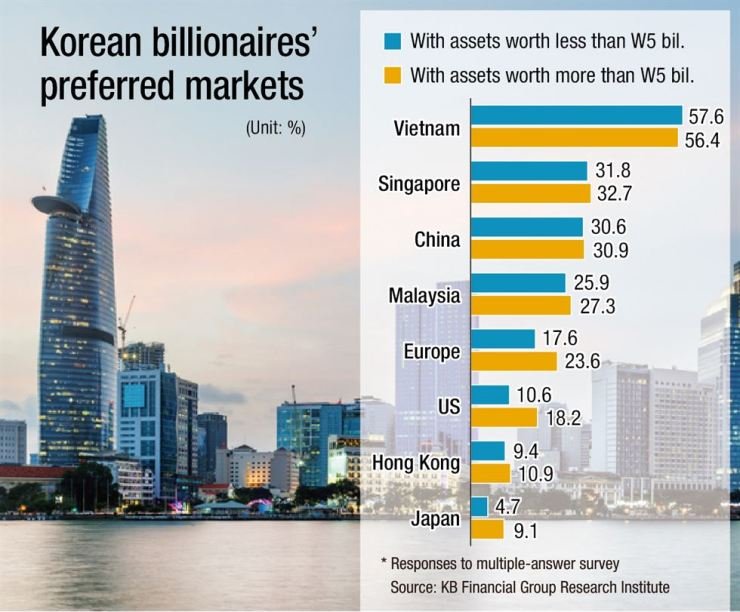
Vietnam’s real estate market has rapidly gained global attention as one of Southeast Asia’s most promising investment destinations. With its strong economic growth, burgeoning middle class, and increasing urbanization, the country presents a wealth of opportunities for foreign investors looking to capitalize on its expanding property sector. From residential and commercial real estate to hospitality and mixed-use developments, Vietnam’s real estate market is booming. In this post, we’ll explore why Vietnam is becoming a hotspot for foreign real estate investment and the key factors driving this growth.
1. Vietnam’s Real Estate Market: A Snapshot
Vietnam’s real estate market has experienced remarkable growth over the last decade, fueled by the country’s rapid economic development and increasing demand for housing and commercial space. In 2020, Vietnam’s real estate sector accounted for 10% of GDP, and it continues to attract significant foreign direct investment (FDI). The growing urban population, rising income levels, and favorable government policies have made Vietnam an attractive destination for foreign real estate investors.
-
Strong Demand for Housing: Vietnam’s urban population is expected to reach 40% by 2025, driving demand for both residential and commercial properties. The growing middle class, which is expected to increase by 20% in the next five years, is creating a strong demand for affordable housing and modern retail spaces.
-
Foreign Investment Trends: Foreign investors accounted for 22% of total FDI in Vietnam’s real estate market in 2020. The demand for commercial and residential properties in key urban centers such as Ho Chi Minh City, Hanoi, and Da Nang is attracting capital from countries like Singapore, South Korea, Japan, and the US.
For more on Vietnam’s real estate growth, visit the Vietnam Ministry of Construction here.
2. Factors Driving Foreign Real Estate Investment in Vietnam
Several factors are contributing to the growing interest of foreign investors in Vietnam’s real estate market:
-
Urbanization: Vietnam is experiencing rapid urbanization, with cities like Ho Chi Minh City and Hanoi seeing significant population growth. As more people move to urban areas for work and education, the demand for both residential and commercial properties continues to rise.
-
Growing Middle Class: Vietnam’s expanding middle class, which is expected to reach 33 million people by 2025, is driving demand for higher-quality housing, retail, and entertainment spaces. The increasing purchasing power of the Vietnamese population makes the market highly attractive to developers and investors.
-
Government Support for Real Estate: The Vietnamese government has made efforts to streamline real estate development processes, improve infrastructure, and create favorable policies to attract foreign investment. Key reforms in land use, building regulations, and tax incentives have made it easier for international investors to enter the market.
For more details on government policies, visit the Vietnam National Assembly here.
3. Key Sectors for Investment in Vietnam’s Real Estate Market
Vietnam’s real estate market is diverse, offering opportunities across various sectors. Some of the most attractive sectors for foreign investors include:
-
Residential Real Estate: The demand for residential properties, especially in urban areas, is one of the driving forces behind the real estate boom. Both affordable housing and luxury properties are in demand, as the country’s middle class grows. In cities like Ho Chi Minh City and Hanoi, high-end condominiums and mixed-use developments are particularly attractive to foreign buyers.
-
Commercial Real Estate: The demand for office spaces, retail stores, and shopping malls is growing as more international businesses set up operations in Vietnam. Ho Chi Minh City, Hanoi, and Da Nang are seeing increased demand for both premium office spaces and retail outlets. Foreign investors are particularly interested in Grade A office buildings and retail centers in central business districts (CBDs).
-
Industrial Real Estate: With Vietnam becoming an increasingly important hub for manufacturing, industrial real estate is another key sector for investment. Industrial parks, warehouses, and logistics facilities are in high demand as global companies look to set up production bases in Vietnam. Cities like Binh Duong and Dong Nai are popular for industrial development.
-
Hospitality and Tourism Real Estate: Vietnam’s growing tourism sector, coupled with increasing domestic travel, is driving the demand for hotels, resorts, and vacation properties. Foreign investors are particularly interested in luxury resorts and hotel developments in tourism hotspots like Phu Quoc, Nha Trang, and Da Nang. The hospitality sector in Vietnam is expected to grow by 7% annually through 2025.
For more information on hospitality real estate, check the Vietnam Hospitality Association here.
4. Foreign Ownership and Investment Regulations in Vietnam
Vietnam’s real estate market is open to foreign investors, but there are specific regulations regarding foreign ownership. Foreign investors are allowed to own up to 10% of the total apartments in a building and 10% of the total land area in a project. In certain cases, the maximum foreign ownership may be limited to 30% in a residential building, depending on the type of property.
-
Land Use Rights: While foreign investors can’t own land in Vietnam, they can lease land for up to 50 years with the option to extend. This is especially relevant for large real estate developments and commercial projects.
-
Joint Ventures and Partnerships: Many foreign investors prefer entering joint ventures or partnerships with local developers to mitigate risks and navigate the local regulatory environment. These partnerships often provide foreign investors with access to the local market, as well as regulatory advantages.
For more details on foreign ownership regulations, check the Vietnam Ministry of Natural Resources and Environment (MONRE) here.
5. Real Estate Development in Vietnam’s Key Cities
Some of Vietnam’s most attractive cities for real estate investment include:
-
Ho Chi Minh City (HCMC): As Vietnam’s largest and most economically dynamic city, HCMC is a major hotspot for foreign investment in residential, commercial, and hospitality real estate. The city’s central business district (CBD) is home to premium office spaces and high-end residential properties.
-
Hanoi: The capital city of Vietnam, Hanoi offers investment opportunities in both residential and commercial real estate. The city’s ongoing infrastructure development and growing demand for office spaces make it an attractive destination for real estate investors.
-
Da Nang: Known for its beautiful coastline and growing tourism sector, Da Nang is attracting significant foreign investment in resorts, hotels, and mixed-use developments. The city’s central location and proximity to HCMC and Hanoi make it a prime destination for both business and leisure travelers.
For more insights into investment opportunities in Vietnamese cities, visit the Vietnam Urban Planning Institute here.
6. Risks and Considerations for Foreign Investors
While Vietnam’s real estate market presents significant opportunities, there are some risks and considerations for foreign investors to keep in mind:
-
Regulatory Changes: The regulatory landscape can be complex and subject to change, so it is important for foreign investors to stay informed about local regulations, especially regarding land use, foreign ownership, and property taxes.
-
Market Volatility: Like any real estate market, Vietnam’s market can experience fluctuations, particularly in the face of economic changes or shifts in demand. Investors should conduct thorough market research and consider diversifying their portfolios.
-
Infrastructure Development: While Vietnam is making significant investments in infrastructure, some areas, particularly outside major cities, still lack modern infrastructure, which can affect property values and accessibility.
Conclusion
Vietnam’s real estate market offers immense potential for foreign investors. With strong economic growth, a rising middle class, and government support for infrastructure development, the country is well-positioned to become one of Southeast Asia’s leading real estate hubs. Whether you are interested in residential, commercial, industrial, or hospitality real estate, Vietnam presents a wealth of opportunities for investors looking to enter the market.
At DealFlow.sg, we specialize in connecting foreign investors with the most promising real estate opportunities in Vietnam. Our platform provides valuable market insights, due diligence, and expert advisory services to ensure that your real estate investments are positioned for long-term success in Vietnam’s booming property market.
